 Trending · TX Daily News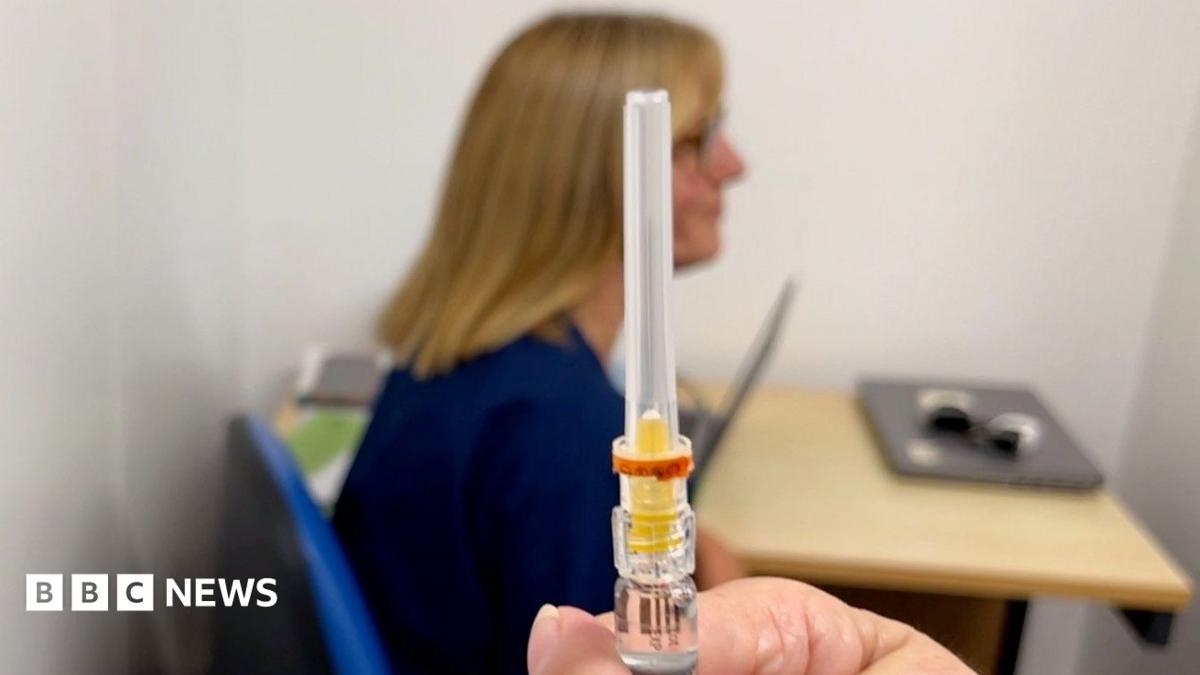
Image caption, The south-west of England has the highest take-up rate in the UK for the RSV vaccine By David Dixon South West NHS leaders are urging pregnant women to have a vaccination to protect newborn babies from a serious respiratory illness. Respiratory syncytial virus (RSV) is a common virus that usually causes mild, cold-like symptoms but can lead to severe lung infections in infants. The NHS in the South West said it was urging expectant mothers to have the RSV vaccine at 28 weeks.
It is also offering them a flu jab to protect themselves through pregnancy. Amanda Pritchard, a clinical supervisor with the vaccination team at Royal Cornwall Hospital said: "When mums get to 28 weeks we send them a leaflet about RSV and invite them to get vaccinated and when they come in we offer the flu vaccine as well." Image caption, Amanda Pritchard said many people were unaware of Respiratory Syncytial Virus NHS data shows there were 36 deaths in under-18s from RSV in England last winter but it added the vaccine reduced hospitalisation rates by 85% , external . About 104,000 hospitalisations were estimated to have been avoided across England in 2025 and over 2.2 million people received their flu jab in South West over the winter, the data also said.
Dr Julie Frier, a consultant in public health and screening and immunisation lead for NHS England South West, said: "Flu can be a serious illness, so it is important you protect yourself and those around you by getting your jab done." The South West has the best take-up in the UK for the vaccine, at 72.5%, but Pritchard said there was some scepticism about vaccination. "Most people don't know much about RSV, so we try and give them as much information as we can," she said. "There is also a bit more scepticism about vaccines these days so we're on hand to offer any reassurance and advice." Image caption, Clinical supervisor Lynne Hall said it was traumatic for families when young babies had RSV Lynne Hall, from the NHS Cornwall vaccination team, said RSV was a common respiratory virus .
"It's been around as long as we know. Most people catch it at some point and, if you're an adult, it just feels like a cough and a cold. "But, when babies are infected , they're severely ill with it and usually hospitalised because of breathing and feeding difficulties.
"It's quite traumatic for the family to see the baby covered in tubes and struggling to breathe. "Sadly, we do lose about 20 to 40 babies every year in the UK, so it's really important that mums do get vaccinated." Pritchard added: "Flu season is approaching and pregnant woman are more vulnerable to the virus and the symptoms are worse if they're expecting a child."
Source: BBC